Generator Installation: Ensuring Reliable Backup Power for Homes and Businesses

Power interruptions can disrupt daily routines, compromise safety, and cause costly damage to equipment and property. Generator installation provides a dependable backup power solution that helps maintain essential operations during outages. Whether for residential or commercial use, a professionally installed generator ensures a continuous power supply when the primary electrical source is unavailable.
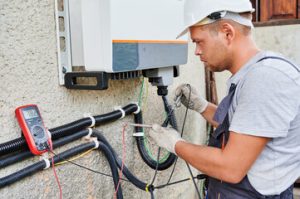
generator installation

Generator installation is a strategic investment in reliability and preparedness. Modern generators are designed to activate automatically during power loss, restoring electricity within moments. Understanding how generator installation works and why professional installation is important helps property owners make informed decisions about backup power solutions.

Understanding Generator Installation

Generator installation involves integrating a backup power system into a property’s electrical infrastructure. This process includes selecting an appropriate generator size, connecting it to the electrical system, and ensuring safe operation during outages.

Generators supply electricity to essential circuits or entire properties, depending on system capacity. Proper installation ensures that power transitions smoothly and safely without risking damage to electrical components or appliances.

A well-installed generator provides peace of mind by supporting critical systems such as lighting, heating, cooling, and communication equipment.

Why Generator Installation Is Important

Generator installation protects properties from the consequences of power outages. Extended outages can lead to discomfort, food spoilage, and potential safety hazards. For businesses, outages can result in downtime and financial losses.

A backup generator provides stability during unpredictable power disruptions. It allows essential systems to continue functioning, maintaining comfort and productivity.

Key benefits of generator installation include:

  1. Continuous power supply during outages
  2. Protection for sensitive electronics and equipment

These advantages make generator installation a valuable addition to modern properties.

Types of Generators Used for Installation

Generators come in different types, each designed for specific needs. Understanding these options helps property owners select a system that aligns with their power requirements.

Standby generators are permanently installed and activate automatically when power is lost. Portable generators offer flexibility but typically require manual operation and limited capacity. Inverter generators provide efficient, quieter power for specific applications.

Choosing the right generator type is an essential part of the installation process.

Assessing Power Needs Before Installation

Accurate assessment of power needs is critical for successful generator installation. An undersized generator may fail to support essential systems, while an oversized unit may result in unnecessary costs.

Professionals evaluate electrical loads to determine the appropriate generator capacity. This assessment considers appliances, equipment, and systems that must remain operational during an outage.

A thorough evaluation ensures optimal performance and efficiency.

The Generator Installation Process Explained

Generator installation follows a structured process to ensure safe and reliable operation. Each step is designed to integrate the generator seamlessly with the existing electrical system.

The installation process typically includes:

  1. Site evaluation and system planning
  2. Electrical connection and system testing

During site evaluation, placement considerations such as ventilation, accessibility, and safety are addressed. Electrical connections are then completed using proper transfer equipment to ensure smooth power transitions.

Importance of Transfer Switch Installation

A transfer switch is a critical component of generator installation. It manages the flow of electricity between the utility source and the generator, preventing backfeeding and ensuring safe operation.

Automatic transfer switches detect power loss and activate the generator without manual intervention. Manual transfer switches require user operation but still provide essential safety protection.

Proper transfer switch installation ensures that backup power is delivered safely and efficiently.

Safety Considerations in Generator Installation

Safety is a top priority during generator installation. Improper installation can lead to electrical hazards, carbon monoxide risks, and equipment damage.

Professional installers follow strict safety protocols, including proper grounding and ventilation. These measures protect occupants and ensure reliable generator operation.

Safe installation practices are essential for long-term performance and peace of mind.

Generator Installation for Residential Properties

Residential generator installation focuses on maintaining comfort and safety during outages. Home generators can support critical systems such as lighting, refrigeration, and climate control.

Professionally installed generators operate automatically, providing seamless backup power without disruption. This convenience makes residential generator installation increasingly popular.

Homeowners benefit from reliable power that supports daily living during unexpected outages.

Generator Installation for Commercial Properties

Commercial generator installation addresses the need for uninterrupted operations. Businesses rely on continuous power to maintain productivity, protect data, and support customer services.

Commercial generators are designed to handle higher electrical loads and complex systems. Professional installation ensures that these generators integrate effectively with existing infrastructure.

Backup power solutions help businesses minimize downtime and maintain operational stability.

Maintenance Considerations After Installation

Proper maintenance is essential for ensuring generator reliability. Regular inspections and testing help identify potential issues before they impact performance.

Maintenance tasks may include checking fuel systems, inspecting electrical connections, and testing automatic activation. Routine care extends the lifespan of the generator and ensures readiness during outages.

Scheduled maintenance supports dependable backup power when it is needed most.

Environmental and Efficiency Considerations

Modern generators are designed with efficiency and environmental impact in mind. Advances in technology have improved fuel efficiency and reduced emissions.

Efficient generator installation minimizes fuel consumption while providing reliable power. Proper sizing and placement also contribute to optimal performance.

Considering efficiency helps property owners balance power needs with responsible energy use.

Choosing Professional Generator Installation Services

Generator installation requires specialized expertise and adherence to safety standards. Professional installers have the knowledge and tools necessary to complete installations correctly.

Professional generator installation services typically offer:

  1. Accurate power assessments and system recommendations
  2. Safe installation with thorough testing and verification

Working with experienced professionals ensures that generators perform as intended.

Long-Term Benefits of Generator Installation

The long-term benefits of generator installation extend beyond immediate backup power. A reliable generator adds value to a property and enhances preparedness for future outages.

Backup power systems reduce stress during emergencies and support the continuous operation of essential systems. Over time, this reliability contributes to improved comfort and productivity.

Generator installation is an investment in resilience and security.

Preparing for Power Outages With Generator Installation

Power outages are unpredictable, but preparation reduces their impact. Generator installation provides a proactive solution that ensures readiness for various scenarios.

With a professionally installed generator, properties can maintain essential functions regardless of external power disruptions. This level of preparedness offers confidence and stability.

Planning ahead with generator installation supports long-term resilience.

Generator installation is a practical and effective solution for ensuring an uninterrupted power supply during outages. From assessment and planning to installation and maintenance, every step plays a role in system reliability.

Professional installation ensures safe integration with existing electrical systems and delivers dependable backup power. By investing in generator installation, property owners can protect their comfort, operations, and peace of mind.

The Benefits of Hiring Professional Electricians for Residential and Commercial Projects

Electricity powers nearly every aspect of modern life, from the lights in our homes to the machinery in commercial facilities. Despite its ubiquitous presence, electricity is not something that should ever be taken lightly. Mistakes in installation, maintenance, or repair can lead to dangerous hazards, costly damage, and interruptions in everyday operations. Whether a homeowner is upgrading an outdated electrical panel or a business owner is managing complex electrical systems in a commercial property, hiring a professional Electrician Jacksonville NC is essential. Skilled electricians bring expertise, experience, and safety knowledge that ensure both residential and commercial projects are completed efficiently, reliably, and in compliance with industry standards.

electrical

One of the primary advantages of hiring professional electricians is safety. Working with electricity involves inherent risks, including shocks, burns, and fire hazards. Professionals are trained to handle these risks safely, using proper tools, protective equipment, and adherence to national and local electrical codes. In residential projects, such as rewiring a home or installing new appliances, electricians ensure that all work meets current safety standards. In commercial settings, the stakes are even higher, with multiple high-voltage systems, heavy-duty equipment, and complex circuits. Licensed electricians reduce the risk of accidents, prevent property damage, and provide peace of mind to property owners.

Beyond safety, professional electricians ensure compliance with electrical codes and regulations. Electrical codes are designed to maintain safe wiring practices, proper grounding, and effective circuit distribution. Attempting to complete electrical work without proper knowledge can result in violations, failed inspections, and even legal liability. Professional electricians have in-depth knowledge of these regulations and ensure that all work, whether residential or commercial, meets required standards. This is particularly important for commercial projects where inspections, permits, and documentation are often necessary to maintain operational licensing and insurance coverage.

Efficiency and reliability are other significant benefits of hiring professionals. Skilled electricians can design, install, and repair systems that operate at peak performance. For example, they ensure that circuits are properly sized to handle the building’s load, reducing the risk of overloads and equipment malfunctions. In commercial properties, this translates to uninterrupted operations, increased productivity, and reduced downtime. In homes, it ensures that appliances, lighting, and heating or cooling systems work consistently without unexpected interruptions. Properly installed and maintained electrical systems also reduce energy waste, leading to cost savings over time.

One of the areas where professional electricians provide substantial value is in system upgrades. Residential properties often have outdated panels, inefficient wiring, or aging appliances that are no longer compatible with modern power demands. Electricians can assess the current system, recommend upgrades, and safely implement improvements. Upgrades might include installing higher-capacity panels, integrating energy-efficient lighting, or adding circuits to support new technology. In commercial settings, electricians can design systems that accommodate specialized equipment, high-energy machinery, and technology-driven operations. By upgrading electrical systems, professionals improve safety, enhance performance, and prepare properties for future growth.

Another key advantage of hiring professional electricians is their ability to troubleshoot and resolve complex problems. Electrical issues can range from flickering lights and tripped breakers to complete power outages or faulty equipment. Diagnosing these problems requires technical expertise, specialized tools, and knowledge of electrical schematics. Professionals can quickly identify the root cause of an issue, whether it’s a wiring fault, overloaded circuit, or malfunctioning device, and implement a solution that prevents recurrence. This saves property owners time, reduces the likelihood of repeated repairs, and ensures that the system functions reliably.

Preventive maintenance is an often-overlooked benefit of working with licensed electricians. Regular inspections and maintenance help detect potential hazards, worn components, and inefficiencies before they escalate into serious problems. For example, an electrician can identify loose connections, deteriorated insulation, or overloaded circuits in both residential and commercial systems. By addressing these issues early, property owners avoid costly repairs, minimize the risk of fire or equipment failure, and extend the lifespan of electrical infrastructure. Preventive care also contributes to energy efficiency, as properly maintained systems operate with less resistance and reduced energy loss.

Professional electricians also provide guidance on energy efficiency and sustainable practices. Modern electrical systems can be optimized to reduce energy consumption and lower utility costs. This includes upgrading lighting to LED, installing programmable thermostats, and integrating smart devices that monitor and manage energy use. In commercial buildings, energy-efficient installations can significantly reduce operating expenses and improve sustainability metrics, which are increasingly important for businesses seeking to demonstrate environmental responsibility. In residential settings, energy-saving measures increase comfort, reduce bills, and add long-term value to the property.

There are several specific advantages that property owners gain from hiring professional electricians:

  1. Enhanced Safety – Proper installation and repair practices reduce the risk of electrical fires, shocks, and equipment damage.
  2. Code Compliance – Ensuring all work meets local, state, and national electrical regulations to avoid legal and insurance issues.
  3. Efficiency and Reliability – Systems are designed and installed to operate consistently, reducing downtime and energy waste.
  4. Expert Troubleshooting – Quick identification and resolution of electrical problems prevent recurring issues and protect equipment.
  5. System Upgrades and Expansion – Modernizing panels, circuits, and systems to meet evolving power demands.
  6. Preventive Maintenance – Regular inspections prevent hazards, extend system life, and maintain energy efficiency.

Emergencies are another area where professional electricians make a critical difference. Power outages, short circuits, or equipment failures can occur unexpectedly and disrupt daily life or business operations. Licensed electricians offer rapid response services to restore power, repair faults, and ensure that systems are safe to operate. For commercial properties, this responsiveness is crucial, as even brief interruptions can result in lost revenue or compromised operational safety. For homeowners, timely intervention prevents potential hazards and protects valuable appliances.

Professional electricians also provide expert installation of advanced systems, such as backup generators, surge protection devices, and renewable energy solutions. These installations require specialized knowledge to ensure proper integration with existing electrical infrastructure. In commercial settings, backup power and surge protection prevent equipment damage, operational downtime, and potential financial losses. In residential environments, these solutions safeguard electronics, improve resilience against outages, and support sustainable energy initiatives such as solar power integration.

Documentation and planning are additional advantages of hiring licensed professionals. Professional electricians create detailed schematics, wiring diagrams, and maintenance records, which simplify troubleshooting, support regulatory compliance, and facilitate future upgrades. Accurate documentation ensures that any future modifications or expansions can be implemented safely and efficiently, without unnecessary guesswork or risk of error.

In conclusion, hiring professional electricians provides significant benefits for both residential and commercial projects. Their expertise ensures that electrical systems are safe, compliant, efficient, and reliable. From system design and installation to troubleshooting, maintenance, and upgrades, professional electricians deliver comprehensive solutions that protect property, enhance energy efficiency, and prevent costly disruptions.

To summarize, the key reasons to engage professional electricians include:

  1. Safety and Risk Reduction – Licensed professionals minimize hazards associated with electricity.
  2. Compliance with Codes and Standards – Ensuring all electrical work meets regulations and inspection requirements.
  3. Reliable and Efficient Operation – Systems perform consistently, and energy consumption is optimized.
  4. Expert Problem-Solving – Professional troubleshooting and repair prevent recurring issues.
  5. System Upgrades and Future-Proofing – Electrical systems are prepared to meet growing demands.
  6. Preventive Maintenance and Documentation – Long-term reliability, safety, and record-keeping support both homes and businesses.

By relying on professional electricians, property owners protect their investments, reduce energy costs, and ensure the safety of occupants and employees. Whether upgrading a residential property or managing complex commercial infrastructure, hiring skilled electricians is a critical step in creating a reliable, efficient, and future-ready electrical system.