Bathroom Remodeling Lexington KY is one of the most impactful ways homeowners can enhance the comfort, functionality, and aesthetic appeal of their homes. Beyond style and usability, modern renovations are increasingly focusing on sustainability. Eco-friendly bathroom remodeling prioritizes materials and fixtures that reduce environmental impact, conserve resources, and promote long-term efficiency. By incorporating sustainable materials and water-saving solutions, homeowners can achieve a luxurious, functional space while contributing to energy conservation and environmental responsibility.
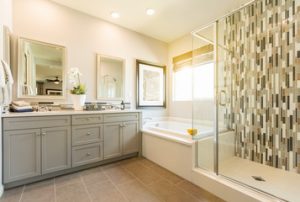
One of the primary considerations in eco-friendly bathroom remodeling is the selection of sustainable materials. Traditional construction materials such as tile, cabinetry, and countertops often have high embodied energy or are derived from non-renewable resources. Choosing environmentally conscious alternatives, such as bamboo, reclaimed wood, recycled glass, or rapidly renewable composites, reduces the environmental footprint of the renovation. Bamboo, for example, is a fast-growing resource that offers durability and water resistance, making it an ideal choice for cabinetry, flooring, and shelving in a bathroom environment. Reclaimed wood can add unique character while keeping materials out of landfills, combining sustainability with style.
Tile selection also plays a crucial role in eco-friendly remodeling. Recycled glass tiles, ceramic tiles with low-energy manufacturing processes, and porcelain with high durability provide both longevity and environmental benefits. Larger-format tiles can minimize grout lines, reducing maintenance and cleaning needs, which in turn lowers the use of harsh chemical cleaners. Selecting materials that are non-toxic, low in volatile organic compounds (VOCs), and certified by environmental standards supports both indoor air quality and overall health.
Water-saving solutions are another cornerstone of eco-friendly bathroom design. Bathrooms are among the highest water-consuming areas in a home, and reducing water usage directly impacts utility bills and environmental sustainability. Modern low-flow faucets, showerheads, and toilets achieve substantial reductions in water consumption without compromising performance. These fixtures are engineered to maintain strong water pressure while using significantly less water per cycle, providing the same level of comfort and functionality as traditional models.
High-efficiency toilets are particularly impactful in water conservation. Standard toilets can use between three to five gallons per flush, whereas modern low-flow or dual-flush models may use as little as 1.28 gallons or provide selectable flush options for liquid and solid waste. Over time, the cumulative savings in water usage are significant. Additionally, incorporating pressure-assisted systems or gravity-feed designs can further optimize efficiency while minimizing clogs or maintenance issues.
Shower systems can also contribute to water efficiency. Low-flow showerheads, aerated nozzles, and smart shower systems reduce water usage without diminishing the bathing experience. Some advanced systems allow users to preset temperature and flow, eliminating wasted water while waiting for the shower to reach the desired temperature. Incorporating these technologies during a bathroom remodel ensures both immediate water savings and long-term cost reductions.
Eco-friendly remodeling extends beyond fixtures and materials to include energy conservation. Lighting upgrades, such as LED bulbs and motion-sensor fixtures, significantly reduce electricity consumption while providing consistent, high-quality illumination. Installing dimmable lighting or layering ambient and task lighting ensures that energy is used efficiently based on need. Moreover, incorporating natural light through skylights, clerestory windows, or strategically placed windows can reduce the reliance on artificial lighting, enhancing both sustainability and comfort.
Ventilation and heating systems also present opportunities for eco-conscious improvements. Energy-efficient exhaust fans with low-wattage motors help maintain indoor air quality while consuming minimal energy. Radiant floor heating or efficient towel warmers can provide comfort while using less energy than traditional heating methods. When combined with water-saving plumbing fixtures, these systems contribute to a fully integrated, eco-friendly bathroom environment.
Countertops and vanity surfaces offer additional avenues for sustainable design. Engineered stone with recycled content, reclaimed wood countertops, or bamboo surfaces provide durability and eco-friendliness. Choosing surfaces that resist staining, scratching, and moisture intrusion reduces the need for frequent replacements and long-term maintenance. By prioritizing durability, homeowners minimize material waste and the environmental impact associated with product turnover.
Cabinetry and storage solutions can also be designed with sustainability in mind. Cabinets made from FSC-certified wood, reclaimed materials, or composite products with low VOC adhesives reduce environmental harm while maintaining structural integrity. Soft-close drawers and water-resistant finishes prolong the lifespan of cabinetry and prevent premature replacement. Efficient storage planning minimizes clutter and supports sustainable use of space, contributing to a more organized and functional bathroom environment.
Paint and finishing materials play an equally important role in eco-friendly remodeling. Choosing low-VOC or zero-VOC paints and sealants reduces indoor air pollution, protecting both occupants and workers during construction. Natural stains and finishes derived from plant-based oils or water-based compounds offer the same aesthetic appeal as traditional coatings without harmful emissions. These materials support indoor air quality and reduce the long-term environmental footprint of the remodel.
Sustainable flooring options are vital in an eco-friendly bathroom renovation. Bamboo, cork, recycled glass tile, and sustainably harvested wood are all suitable alternatives to conventional materials. Additionally, water-resistant composites provide durability while reducing reliance on non-renewable resources. Properly installed and maintained, these flooring materials can withstand the high-moisture environment of a bathroom while supporting sustainability goals.
Smart water management technologies further enhance the eco-friendly approach. Leak detection systems, water flow monitors, and programmable plumbing fixtures allow homeowners to track water usage and detect issues before they become costly problems. Smart sensors can automatically adjust flow based on occupancy or activity, ensuring that water is used efficiently and responsibly. Incorporating these systems during a remodel aligns with both energy conservation and long-term maintenance planning.
Insulation improvements are another component of energy-conscious bathroom remodeling. Properly insulating walls, floors, and ceilings reduces heat loss during colder months and minimizes the need for excessive heating. High-performance windows and doors enhance thermal regulation while also improving natural light transmission. Energy-efficient glazing with low-emissivity coatings can reduce heat gain during warm seasons, contributing to overall home efficiency.
Eco-friendly remodeling also emphasizes minimal environmental impact during construction. Using recycled or sustainably sourced materials, minimizing packaging waste, and employing non-toxic adhesives and sealants reduces the environmental footprint of the renovation process itself. Selecting contractors and suppliers who prioritize sustainability ensures that the project aligns with broader eco-conscious objectives.
Another important aspect of green bathroom design is maintaining durability and low-maintenance surfaces. Moisture-resistant drywall, mold-resistant backing boards, and long-lasting tiles reduce the frequency of repairs or replacements. By investing in durable, sustainable materials, homeowners minimize waste and avoid repeated use of resources over time. This approach reinforces the long-term benefits of eco-friendly remodeling while supporting both environmental and financial sustainability.
In addition to material and fixture upgrades, water reuse can be integrated into bathroom design. Greywater systems capture water from sinks and showers for irrigation or other non-potable uses, further reducing household water consumption. Although these systems may require initial planning and installation, they offer significant resource savings over time and demonstrate a holistic approach to sustainability.
Key considerations for eco-friendly bathroom remodeling include:
- Prioritizing water-saving fixtures such as low-flow faucets, high-efficiency toilets, and smart shower systems.
- Selecting sustainable materials for flooring, cabinetry, countertops, and finishes that are durable, low-VOC, and environmentally responsible.
Lighting, ventilation, and heating systems should also be optimized for energy efficiency. Incorporating LED lighting, energy-efficient exhaust fans, and radiant heating systems improves performance while minimizing environmental impact. Together, these upgrades create a cohesive and sustainable bathroom environment that supports both comfort and conservation.
Eco-friendly bathroom remodeling offers tangible benefits beyond environmental responsibility. Reduced utility bills, enhanced comfort, improved indoor air quality, and increased property value provide measurable returns. Sustainable materials, efficient fixtures, and thoughtful design also contribute to a long-lasting, visually appealing space that requires minimal maintenance. These advantages make eco-conscious renovations a smart investment for homeowners seeking functional and stylish bathrooms.
Planning an eco-friendly remodel requires a strategic approach. Homeowners should assess current water and energy usage, identify high-impact areas, and prioritize upgrades that offer long-term efficiency. Integrating sustainable materials, water-saving fixtures, and energy-conscious technologies from the outset ensures seamless installation and maximizes performance benefits. Collaboration with contractors and designers who understand green building principles further enhances project success.
Ultimately, eco-friendly bathroom remodeling balances style, functionality, and environmental responsibility. By selecting sustainable materials, integrating water-saving technologies, and optimizing energy efficiency, homeowners can create a bathroom that supports modern living while minimizing environmental impact. Each choice—from flooring and cabinetry to fixtures and lighting—contributes to a more sustainable and comfortable space.
An eco-conscious bathroom is more than a trend; it is a strategic approach to home improvement that addresses both current and long-term needs. By prioritizing sustainability, homeowners can reduce resource consumption, lower operating costs, and enjoy a healthier, more efficient living environment. Thoughtful planning and investment in eco-friendly upgrades transform a bathroom into a space that reflects both modern design principles and environmental stewardship.
Through careful material selection, water-saving solutions, energy-efficient lighting, and smart design strategies, homeowners can achieve a luxurious, functional, and sustainable bathroom. Eco-friendly remodeling ensures that the space not only meets daily needs but also supports long-term environmental responsibility and value. The result is a bathroom that is stylish, efficient, and aligned with the growing demand for sustainable living.